
Personalization Engines Deliver Custom Odds to Individual Users
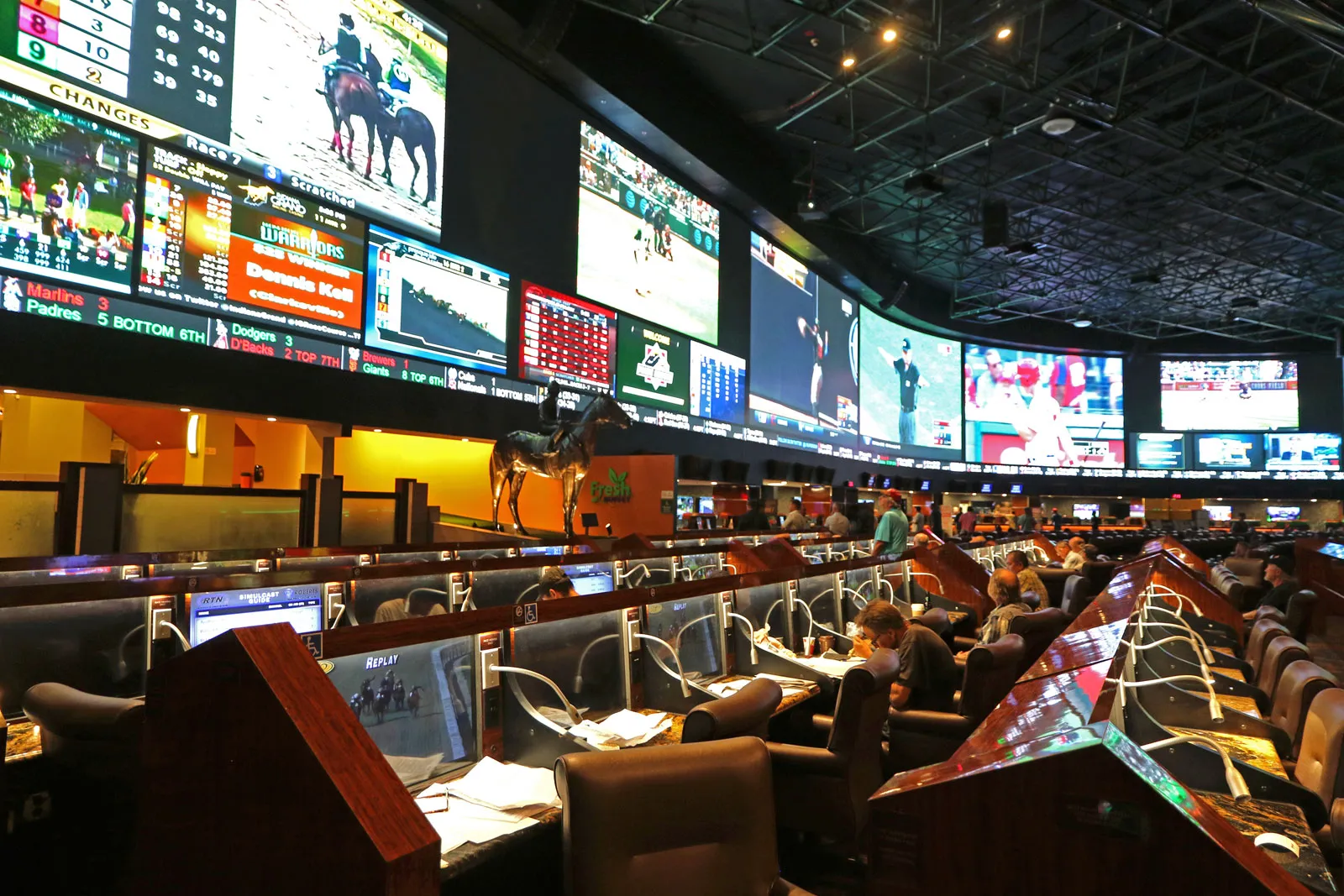
Personalization engines now adjust digital pricing models for each individual user profile. These systems track behavior patterns and real time actions across betting environments. The result creates shifting odds that reflect user interaction speed and intensity. Modern platforms process massive data streams within milliseconds for constant updates.
How Personalization Systems Shape Custom Odds
Systems collect continuous data from user interactions across multiple sessions. Every click, search, and selection related to bizbet mobil for example, feeds structured datasets instantly. Over eighty percent of platforms now rely on real time tracking systems. These systems record thousands of signals within seconds of activity.
Algorithms process incoming data through predictive probability models. Each model recalculates odds based on updated user signals. Adjustments occur hundreds of times during a single active session. These changes reflect shifting engagement levels and market balance requirements.
High speed engines handle data inputs within milliseconds. Fast processing reduces delay between action and updated pricing output. Distributed systems support heavy traffic without slowing response time. This structure keeps pricing stable during peak usage periods.
Data Signals Behind Personal Odds
Behavior patterns drive most personalization decisions inside modern systems. Platforms track session duration and interaction frequency across features linked to 1xbet casino or other platforms as part of broader online gaming analytics. Longer sessions often indicate stronger engagement patterns in system logic. Short sessions generate different probability weightings within models.
Deposit activity and transaction volume influence pricing sensitivity levels. Higher frequency transactions adjust system confidence in user patterns. Lower activity creates wider variability in predictive outcomes. Models interpret financial flow as a key stability indicator.
Device and technical signals
Device type plays a major role in personalization accuracy. Systems record connection stability and operating environment details. Around seventy percent of models include device profiling layers. These layers refine predictions across different access conditions.
- Click patterns across different categories
- Session length and return frequency levels
- Transaction size and deposit timing patterns
- Device type and connection quality metrics
Risk Control and System Balance
Personalized odds still follow strict internal balance rules. Systems maintain overall fairness across large user populations. Probability margins remain aligned with long term statistical expectations. This structure prevents unstable pricing fluctuations across markets.
Monitoring tools track unusual behavior patterns across active accounts. Alerts trigger when activity deviates from expected ranges. Around ninety percent of platforms use automated risk detection layers. These systems protect integrity across continuous operations.
Responsible gaming safeguards
Responsible gaming tools support controlled participation across all users. Spending limits and time reminders help maintain balanced engagement. Systems encourage breaks after extended interaction periods. These features reduce pressure and support healthier usage habits.
Data Intelligence Behind Modern Systems
Predictive models analyze millions of historical interactions daily. These models identify patterns across repeated user behaviors. Around seventy five percent accuracy improvement appears in refined systems. Continuous learning improves model performance over time.
Each input signal receives a calculated weight value. Strong signals shape outcomes more than weaker interactions. Weight distribution adjusts automatically based on reliability scores. This structure keeps predictions stable under changing conditions.
Continuous learning cycles
Systems improve through constant feedback from live interactions. Each update strengthens future prediction accuracy across models. Learning cycles run without interruption during system operation.
Personalization engines reshape digital pricing through fast data processing and behavioral analysis. Systems adjust probabilities using real time user signals and structured models. Stability remains central while maintaining dynamic responsiveness across interactions. Responsible gaming tools support balanced engagement across all users.