
For audio enthusiasts, modern streaming platforms such as Apple Music, Spotify, Tidal, or Qobuz have become the primary source of audio content. Support for Lossless, FLAC, and Hi-Res Audio formats (up to 24-bit / 192 kHz) allows users to listen to music in studio quality directly from an Android or iOS smartphone. In practice, however, mobile users regularly encounter a hidden degradation of the soundstage.
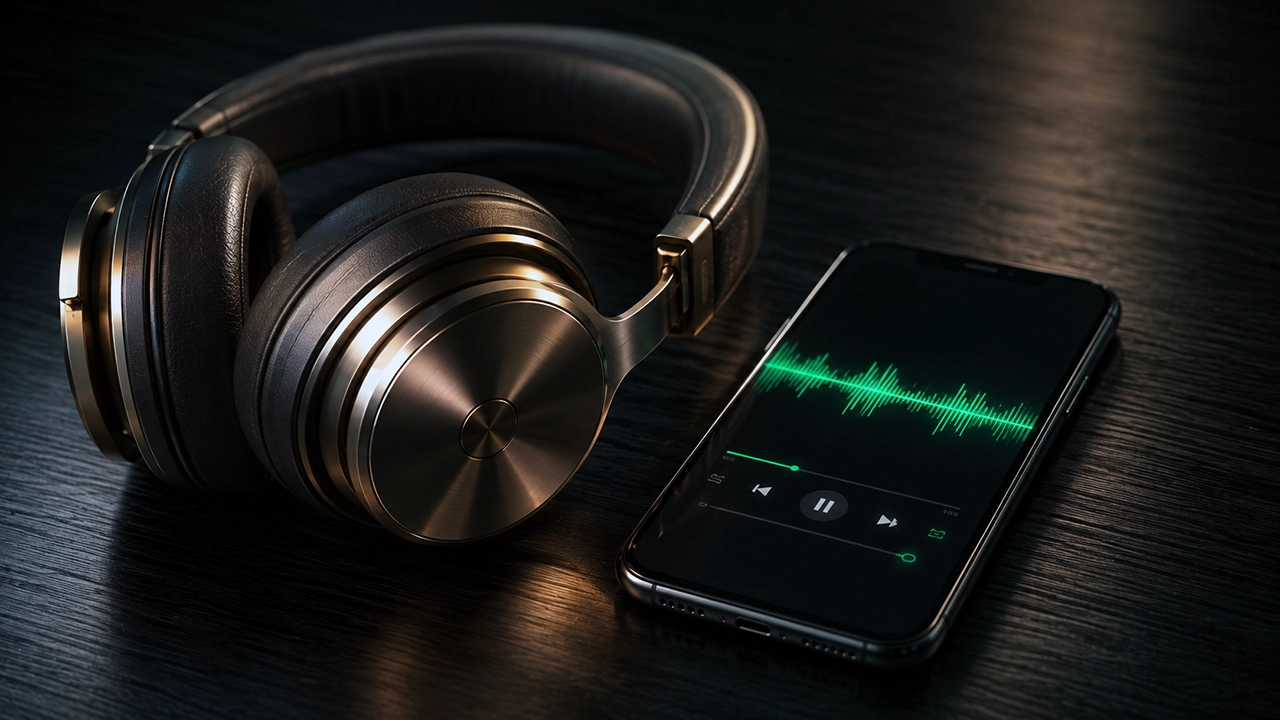
Why Apple Music, Spotify, and Tidal Lag: How to Restore Hi-Res Audio
Many notice that when listening to tracks over mobile internet, the sound suddenly loses its transparency, bass density, and detail, transforming into a flat MP3 stream. At the same time, streaming applications do not display errors and continue to show the "Hi-Res" icon, but the actual bitrate drops significantly. Most people blame wireless headphones or the algorithms of the services themselves, but the real cause lies within the hidden mechanisms of traffic optimization deployed by cellular carriers.
Let's dissect the internal methods of media stream filtering used by mobile providers and examine how the engineering architecture of avoVPN restores the original audio quality without artificial compression.
Technical Audit: How Carriers Secretly Throttle Audio Streams
Transmitting uncompressed Hi-Res audio requires massive and, crucially, continuous network bandwidth. A single three-minute track in FLAC can exceed 100 Megabytes, and stable streaming requires a constant speed of 5 to 10 Mbps without micro-delays. To reduce the load on their cellular base stations, mobile operators utilize automated traffic restriction systems (shaping) across three technical avenues:
Streaming Signature Recognition via DPI Frameworks
Cellular operators route all user traffic through deep packet inspection (DPI) complexes. These systems instantly identify the unique signatures and IP addresses of servers belonging to popular music platforms (Apple Music, Spotify, Tidal). As soon as the DPI logs a continuous, heavy data stream emerging from an audio server, the system automatically downgrades the priority of that session and strictly throttles the channel bandwidth for that specific application, forcing it to switch to a lower bitrate in the background.
Dynamic Over-the-Air Media Compression (Transcoding)
Certain mobile networks deploy aggressive proxy servers operating on the principle of on-the-fly content optimization. When a smartphone requests a high-resolution audio file, the carrier's network node intercepts the query, downloads the original FLAC file, compresses it using its own lossy codecs (for instance, down to AAC 128 kbps), and delivers the downgraded version to the user. The application on the smartphone continues to display that it is playing Lossless, but it is physically receiving a heavily compressed stream.
Artificial Jitter Jumps
To conserve radio spectrum capacity, cellular base stations group data packets and dispatch them to the smartphone in short bursts rather than at uniform intervals. While this is unnoticeable for standard websites, it is critical for Hi-Res streaming. It induces jitter—fluctuations in packet arrival times. The application's buffer begins to empty, and the player's internal algorithms, to avoid audio stuttering, dynamically downgrade the streaming quality (bitrate) to the minimum level accessible under current network conditions.
Engineering Solutions in avoVPN Mobile Applications
Official avoVPN applications for Android and iOS operating systems allow users to completely eliminate the hidden restrictions applied by carriers, isolating the audio stream at the device's socket layer using an advanced VLESS and Xray networking stack.
Absolute Invisibility to DPI Systems (REALITY Obfuscation)
The processing core of avoVPN leverages next-generation VLESS protocols featuring REALITY traffic concealment. The application completely erases the specific digital fingerprints and markers that deep packet inspection complexes use to detect music services. To the cellular operator's monitoring systems, your audio stream transitions into a conventional, legitimate HTTPS session. The carrier disables its shaping algorithms, handing back the maximum throughput of the channel.
Protection Against Transcoding at Provider Nodes
Because avoVPN establishes an end-to-end secure tunnel between your smartphone and the remote server, intermediate proxy servers of the cellular provider lose the physical capacity to intercept, analyze, or modify passing data blocks. The original Lossless or Hi-Res FLAC stream is delivered from Tidal or Apple Music servers to your smartphone in its native form, entirely bypassing intermediate re-compression cycles by the provider's codecs.
Stream Stabilization and Jitter Elimination
The ultra-lightweight session-based architecture of VLESS processes network packets with minimal computing overhead and a complete absence of structural ballast. The routing of avoVPN traffic is optimized through premium-tier (Tier-1) backbone pipelines, which minimizes transit latency. Data packets arrive at the smartphone's audio chipset strictly uniformly, completely neutralizing jitter. The media player's buffer remains filled, enabling you to listen to true 24-bit audio without forced drops to a degraded bitrate.
Loss of detail, flat sound reproduction, and hidden quality drops within mobile music applications when outdoors are the direct consequence of covert traffic management by cellular operators. Implementing modern obfuscation protocols fully conceals the structural nature of transmitted data from provider filters, unlocking access to the original, clean quality of FLAC and Hi-Res audio without compromises.
Restore native studio performance to your headphones without artificial speed limits. Visit the official avoVPN website, sign up for a single unified subscription at a fixed rate of $1.38 per month for up to 5 devices simultaneously, and activate energy-efficient audio stream protection on Android or iOS in one click.
You can activate your subscription directly on the official portal or receive expert technical guidance on configuring audio streaming from our support team.